



All About Rideshare Apps
There was a time when the main way to get a ride somewhere was standing out on the street, under the rain or the beating sun, and trying to hail a taxi as they drove past - a method so unreliable it’s almost hard to believe we used to get anywhere with it. If you watch old movies like the iconic Taxi Driver with Robert De Niro, scenes of people desperately trying to hail a cab were everywhere. But beyond the movie screen, reality was often less glamorous. Taxi scams were—and still are—common: inflated tariffs, “broken” meters, drivers refusing to give change, or taking unnecessarily long routes to boost the fare. Many taxi companies were and are also tied to organized crime, with local officials turning a blind eye in exchange for bribes—even banning rideshare apps to protect their own interests and not the one of the general public (what a surprise). Fast forward to 2025, and things look very different: pull out your phone, type in your destination, and within minutes a car arrives to pick you up directly.
A Quick Ride Through History
Uber was founded in 2009 and publicly launched in 2011 as a ride-hailing app that offered only drivers with fancy black cars. The first rideshare website to have regular drivers was also launched in 2011, called Wingz (they specialised in offering rides to airports). After Uber challenged their legality, resulting in Wingz obtaining the first legal ridesharing licence in the world, Uber copied their model and added the option of hiring regular drivers with personal vehicles to their app.
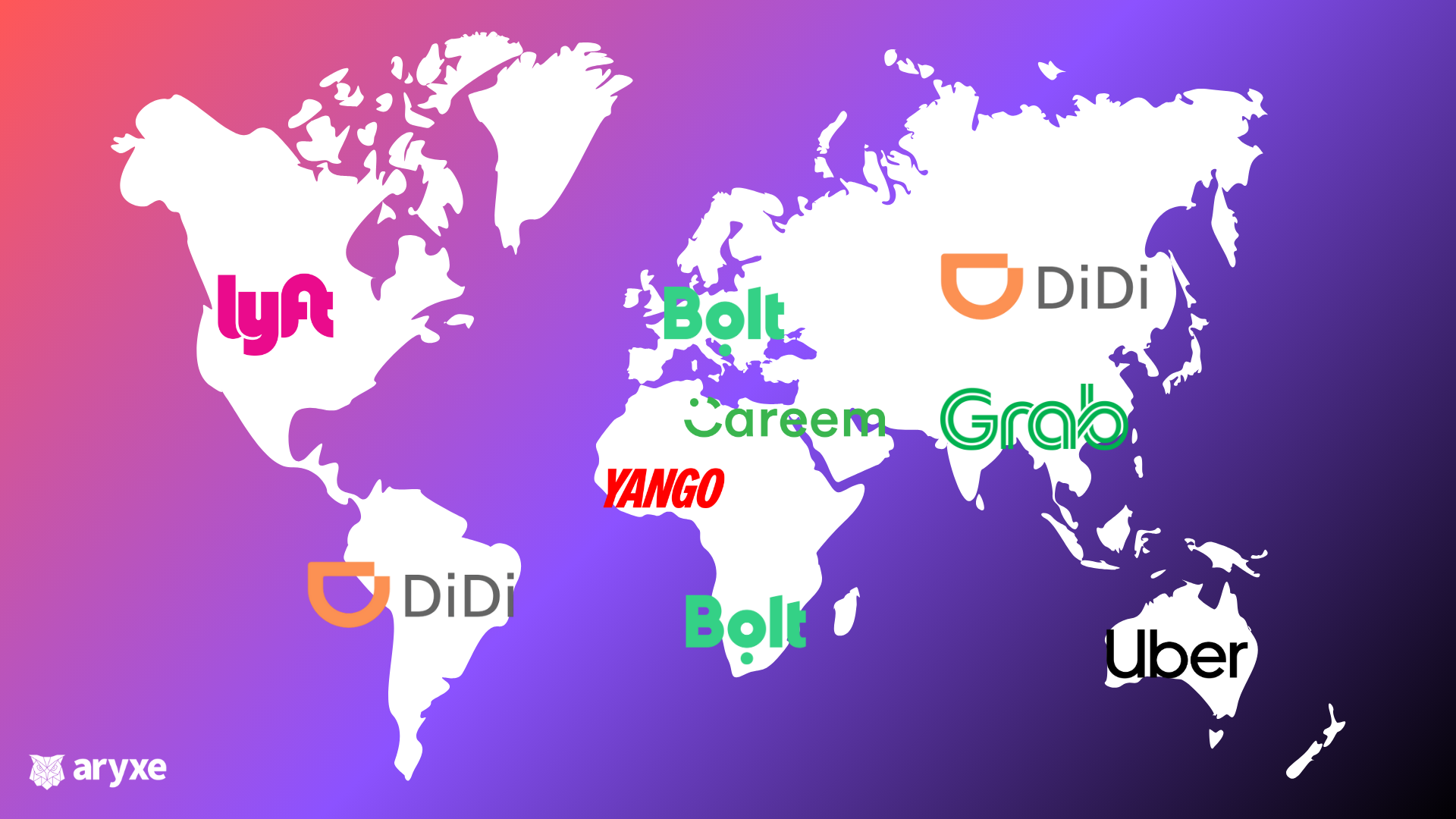
Sidecar, Lyft, Careem and Bolt launched soon afterwards, between 2011-2013, and soon ridesharing was the new normal, as companies have spread throughout the world and countries have created new legislation and regulations to keep up. Uber has remained the top rideshare app in most regions of the world, but has serious competitors in every country. Lyft is its main competitor in North America, while Bolt is an important player in Europe. Founded by a 19-year-old high-school student in Estonia in 2013, Bolt quickly spread throughout the continent as well as parts of Africa, Asia and the Americas.
In the Middle East, Careem was launched in 2012 and quickly became the dominant rideshare app, also including food delivery and bicycle rental services within the app. Uber acquired its rideshare company in 2020. Careem was part of the Women to Drive Movement in Saudi Arabia in 2018, and has launched initiatives to hire more women and provide equal opportunities. Other major global players include Didi (which acquired Uber) in China, Grab (which merged with Uber) in Southeast Asia, and Yango in Africa.
Battle of the Apps
Anywhere you are, you will have multiple rideshare apps to choose from - so how do you decide who gets your ride?
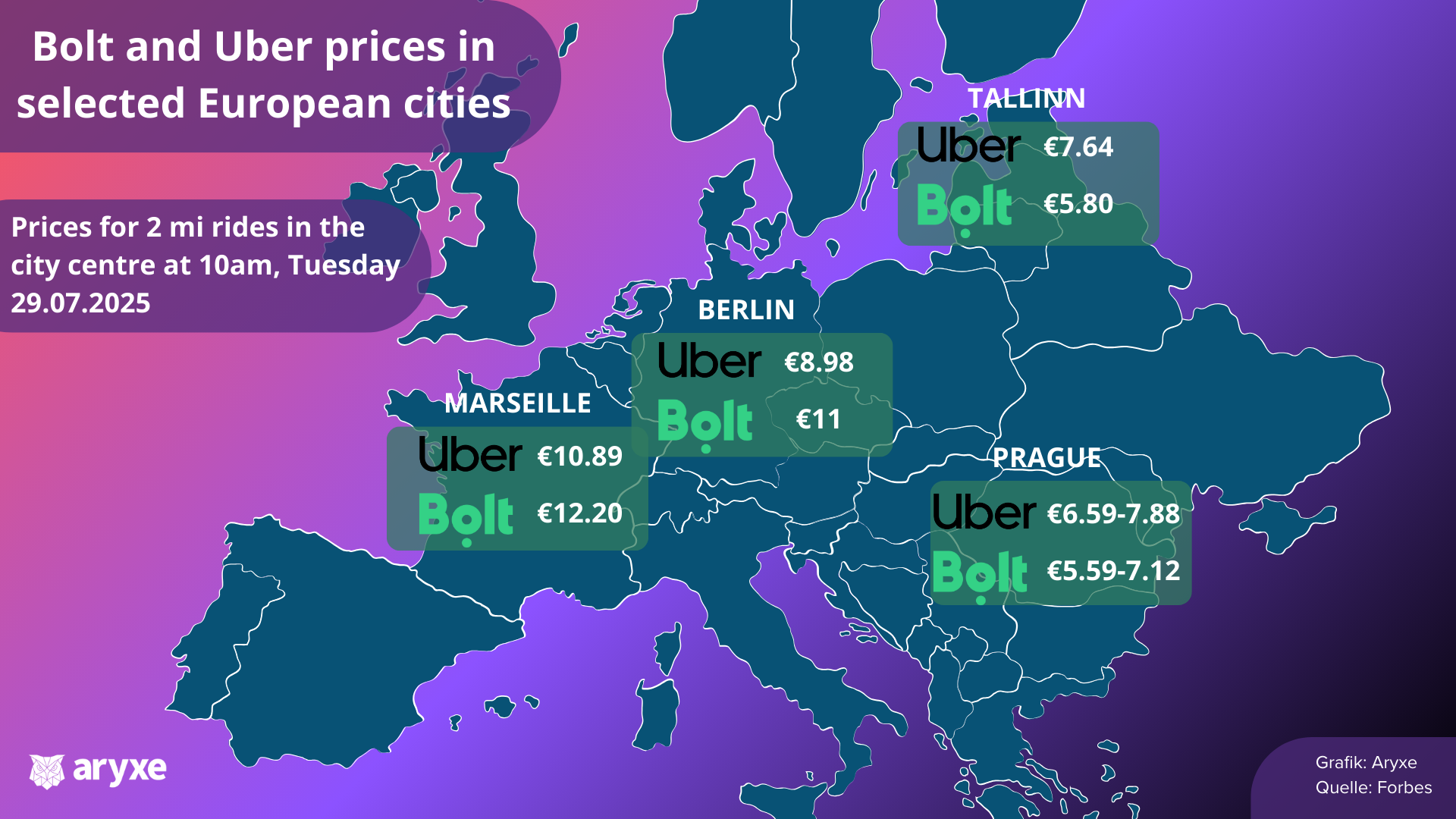
It’s difficult to make a universal comparison, as they all follow each other when it comes to adding new services (from different car types to scooters and bikes to food delivery), and their prices vary from location to location. Prices on rideshare apps are highly reactive, with surges during busier hours, lower prices for new or dormant users, higher prices if your behaviour in the app signals that you are in a rush… Prices also depend on local regulations and economic conditions. In Paris, for example, Uber is cheaper for very short rides, as the minimum fee is lower, while Bolt is cheaper for long rides. Meanwhile in many other cities, there is no minimum fee for either app. In general, Uber is seen as the more expensive option compared to its main competitors in most places. Common advice is to have multiple rideshare apps on your phone and compare them for each individual ride, if you really want to get the cheapest option.
Controversies, Complaints & Courtrooms
Since the beginning, taxi drivers have been fighting to keep their jobs and labour rights since rideshare apps started taking over a larger and larger portion of the market. Rideshare companies typically classify their drivers as independent contractors rather than employees, meaning they lack rights such as a minimum wage or paid time off. They also regulate who can become a driver less than traditional taxi companies, making the taxi driver profession less valuable.
There have been many lawsuits (especially towards Uber) trying to regulate or get rideshare apps banned in various countries, with varying results - rideshare apps have been temporarily banned or more highly regulated in certain countries, and in the United Kingdom, Switzerland, New Jersey and the Netherlands, drivers for rideshare apps must be classified as employees and have employee rights.
Other complaints have involved passenger safety, as there have been cases where passengers have been harassed, assaulted or even raped and murdered by rideshare drivers (or drivers posing as rideshare drivers). This has led to investigations and heightened safety protocols within the apps. Another safety risk is the fact that rideshare apps encourage drivers to use their phone while driving, as they need to tap their phone screen quickly in order to accept their next fare.
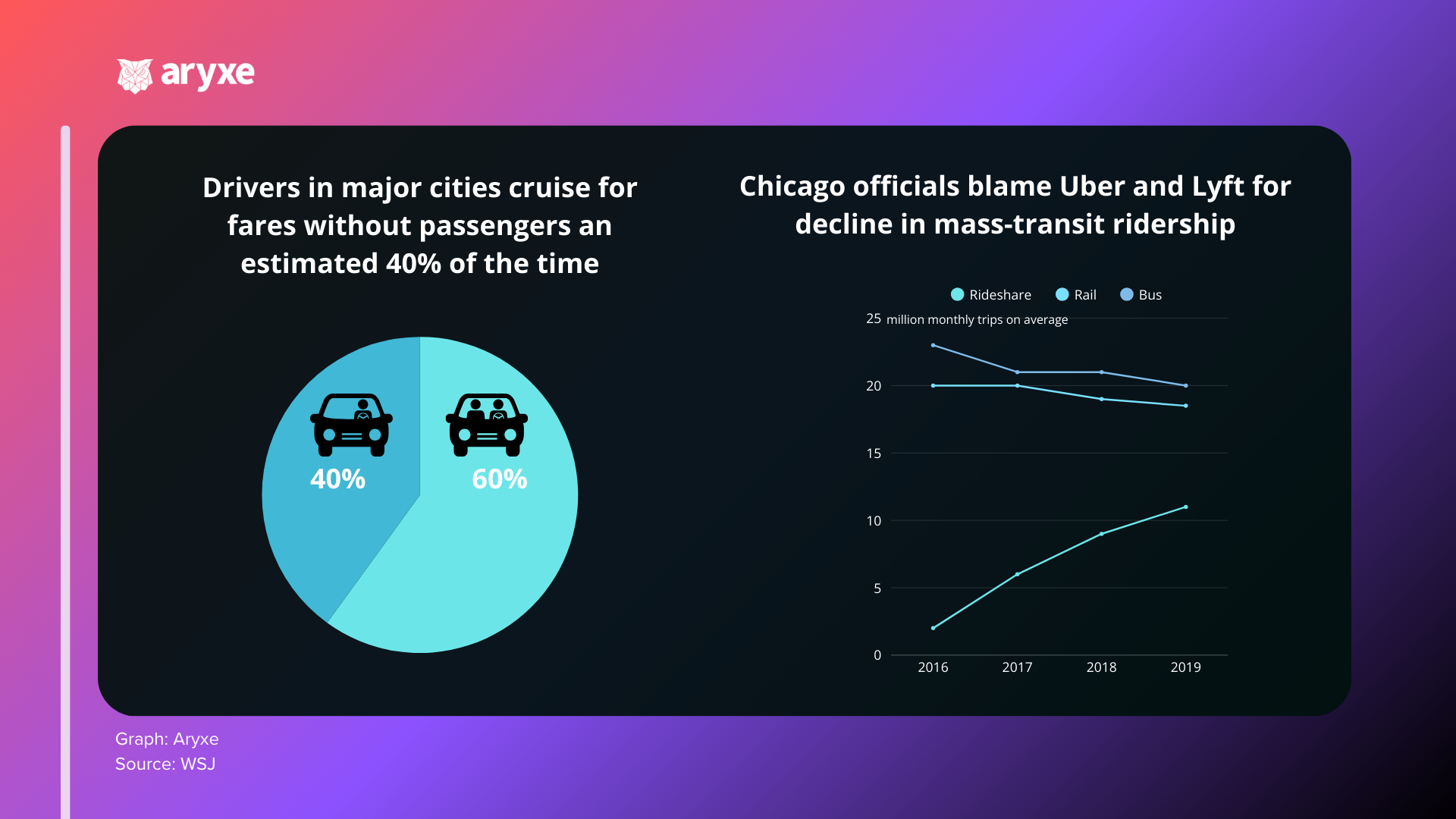
The role rideshare apps play in traffic congestion and pollution is another controversial issue. In cities where these apps compete with public transport, studies have found that ridesharing contributes to congestion, reduces public transport use and results in cars driving idly in between fares (source). While rideshare apps were originally designed with the idea that people could carpool and share their rides with other people going in the same direction, theoretically eliminating up to four private vehicles from the road, most people use rideshare apps for private rides, which have a negative impact on congestion.
The Future of Ridesharing: What’s Next?
A hot topic recently has been autonomous cars, and rideshare apps are trying to stay in the loop. Google’s parent company Alphabet has been working on the project now known as Waymo since 2004, and has been testing their so-called robotaxi services in cities around the US. They are currently in full commercial service in Atlanta (GA), Austin (TX), Los Angeles (CA), Phoenix (AZ) and San Francisco (CA) (the first two are in cooperation with Uber). Uber, Bolt, Grab and Didi among others have also announced plans to launch their own autonomous vehicle fleets in their services.
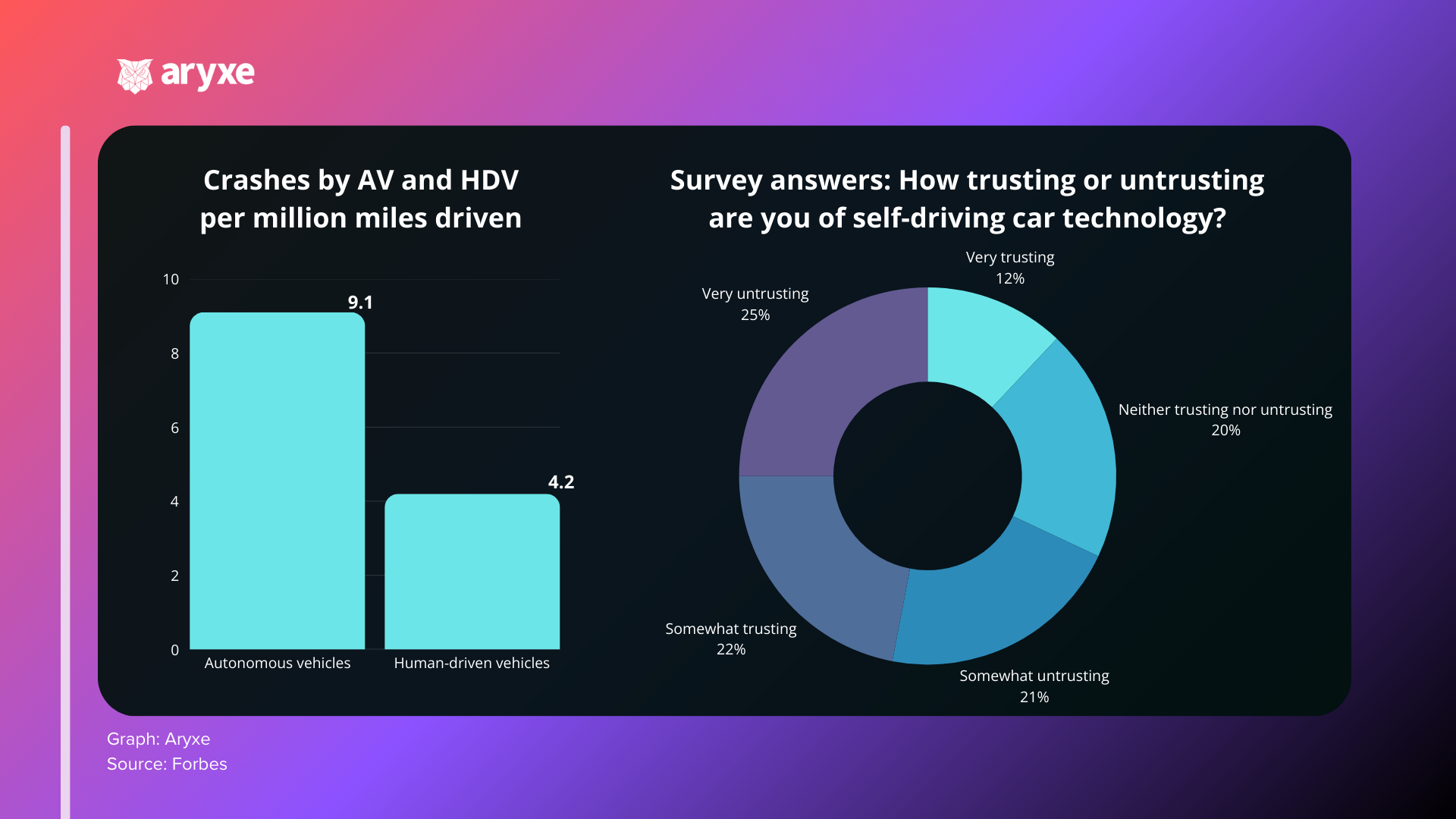
While this technology is slowly developing and spreading, people are still unsure about its safety. According to Waymo’s data in 2023, they only had 3 crashes with injuries over 7.1 million miles driven, which made them four to seven times as safe as a human driver (source). In the same year, their main competitor Cruise was involved in an accident in which a pedestrian was dragged 20 feet under an autonomous vehicle, which resulted in Cruise suspending all autonomous vehicle operations (source). Studies have also shown significantly higher accident rates in autonomous vehicles when driving in poor lighting conditions or when turning (source). A Forbes survey from 2024 shows that most people don’t trust autonomous vehicles, with 93% having concerns. While many in the tech and automobile industry are excited about developing this new technology, it doesn’t seem the majority of the public will be fully onboard anytime soon.
Another big topic in transport in general is green mobility. All the major rideshare companies have electric car fleets, although availability varies geographically. Offering rental scooters and bicycles also provides people with more environmentally friendly opportunities for getting around. As the environment is an important factor for many people when choosing services to use, the green trend in mobility companies will likely continue.
Rideshare apps like Uber and Bolt have changed the way people move around in cities for better or for worse, and they don’t seem to be going anywhere anytime soon. They follow general vehicle trends such as the growing popularisation of electric vehicles and developments in autonomous vehicles, as well as offering other mobility and delivery services. For many workers, they symbolise the growing gig economy in a time of economic uncertainty, while for consumers, these companies provide welcomed convenience in their everyday lives.

